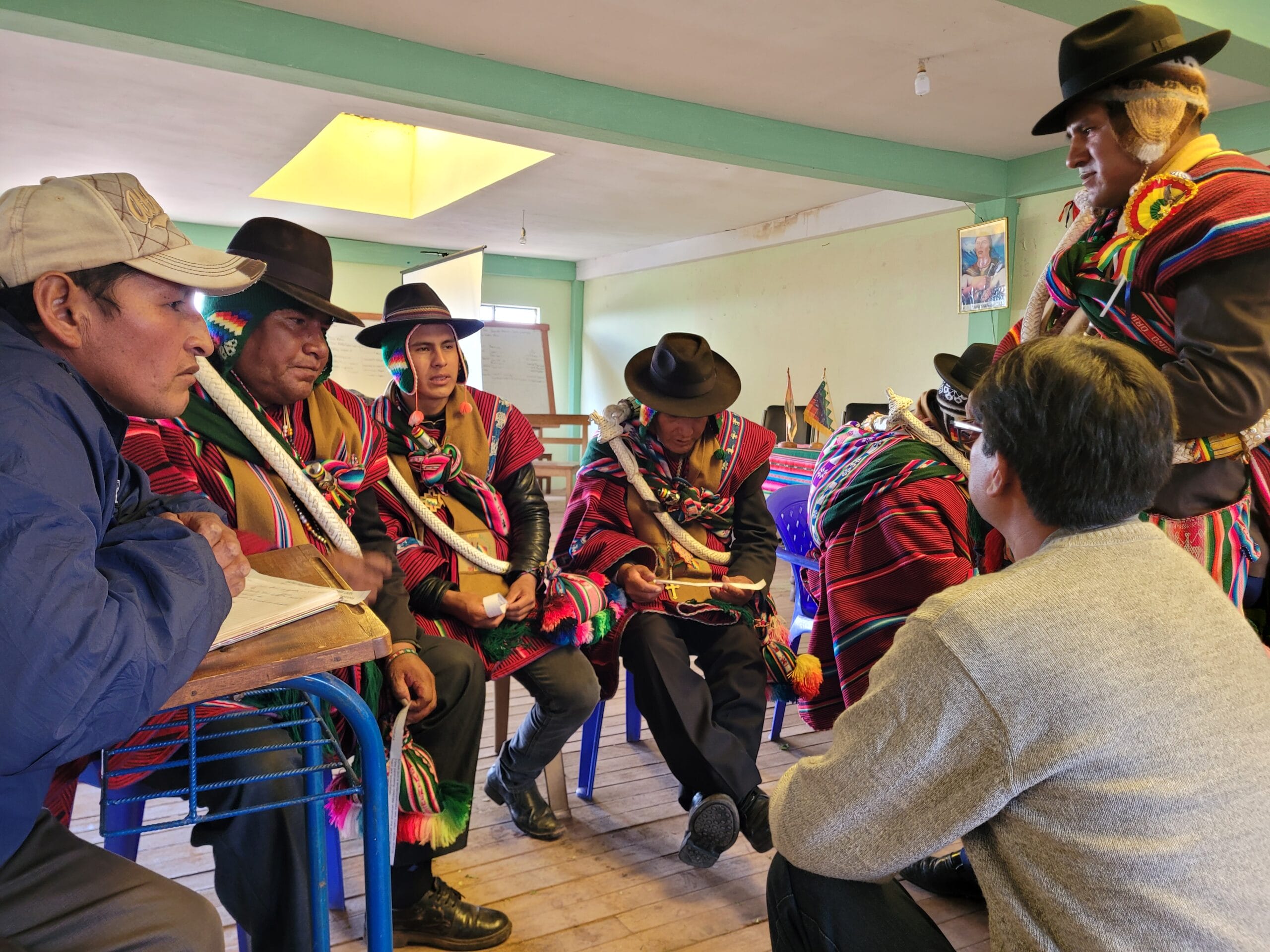
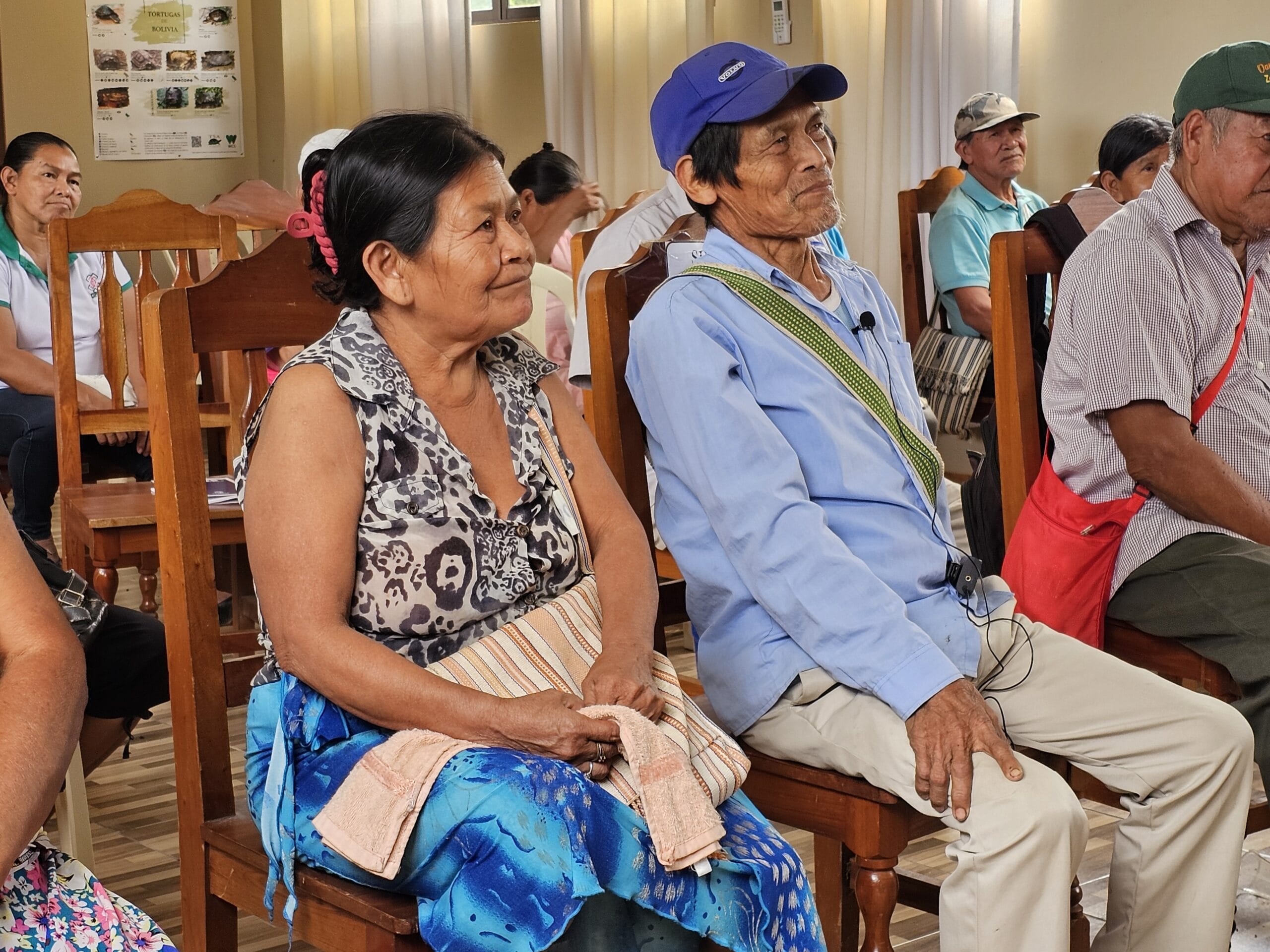
The work also documented more than 30 natural indicators used for generations to anticipate climatic events such as environmental signs that elders read in plants, animals, and seasonal patterns.
These are now part of local risk-management plans and are feeding into national early-warning efforts through work with Platform of indigenous peoples against climate change (PILCCC), the Vice ministry of civil defense (VIDECI, SINAGER-SAT) and the, National meteorology and hydrology service (SENAMHI).
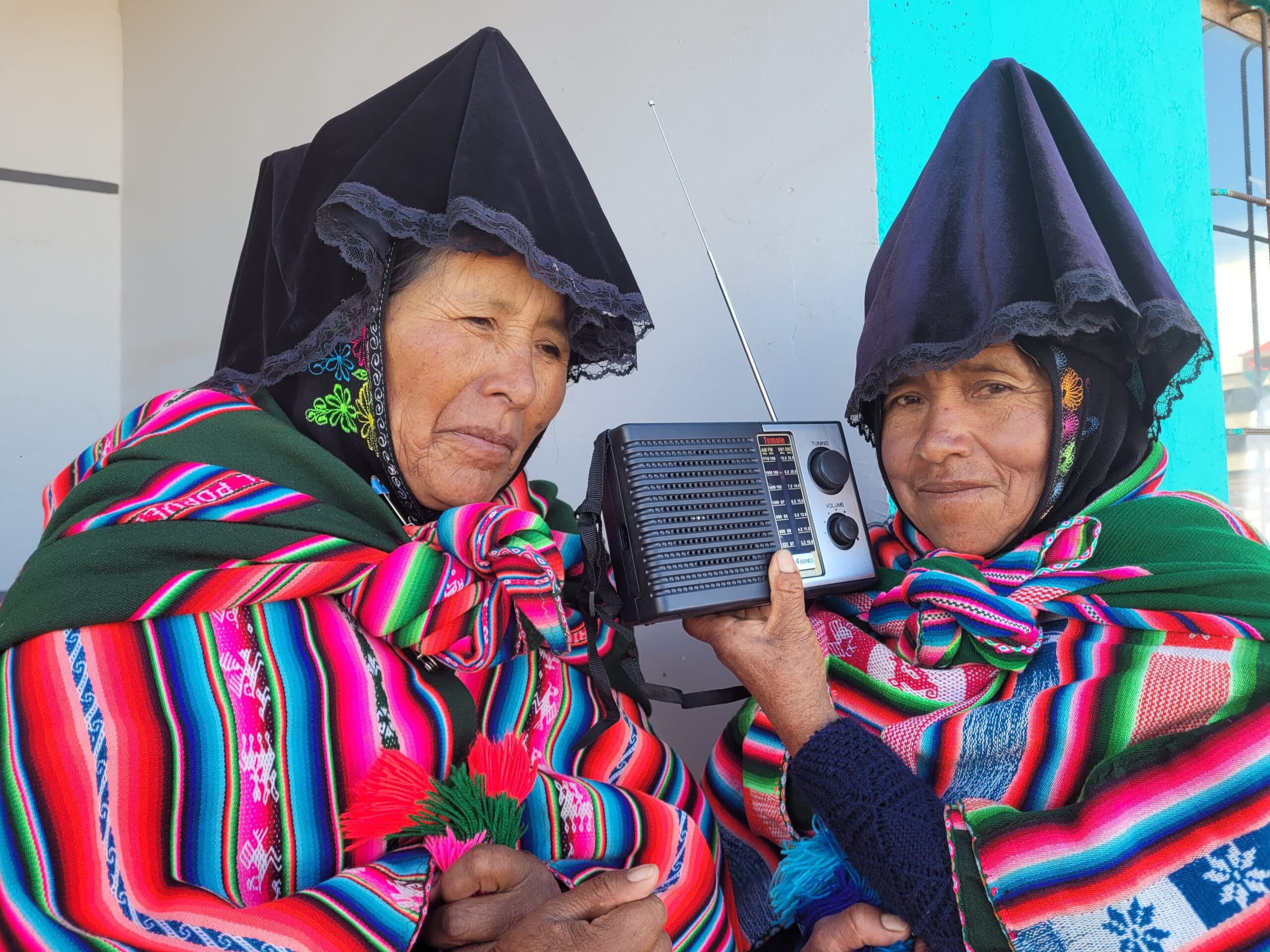
To make risk information easier to understand, Practical Action and Clear Global staff worked with communities to know what they understand by risk and how they use other concepts related. The Aymara and Tacana language and culture Institutes were part of this process to validate and support the first glossaries of disaster-risk terms in indigenous languages. These have been shared through flipcharts, primers, posters and radio messages, ensuring early warnings reach more people in clear, familiar terms.
The project has strengthened governance too, supporting indigenous authorities to lead local disaster planning in ways that reflect their own priorities, cultures and territorial needs. These approaches are now linked with municipal systems, helping shape long-term resilience across both nations.