Putting people first: how Narayanganj is planning for a climate-resilient future
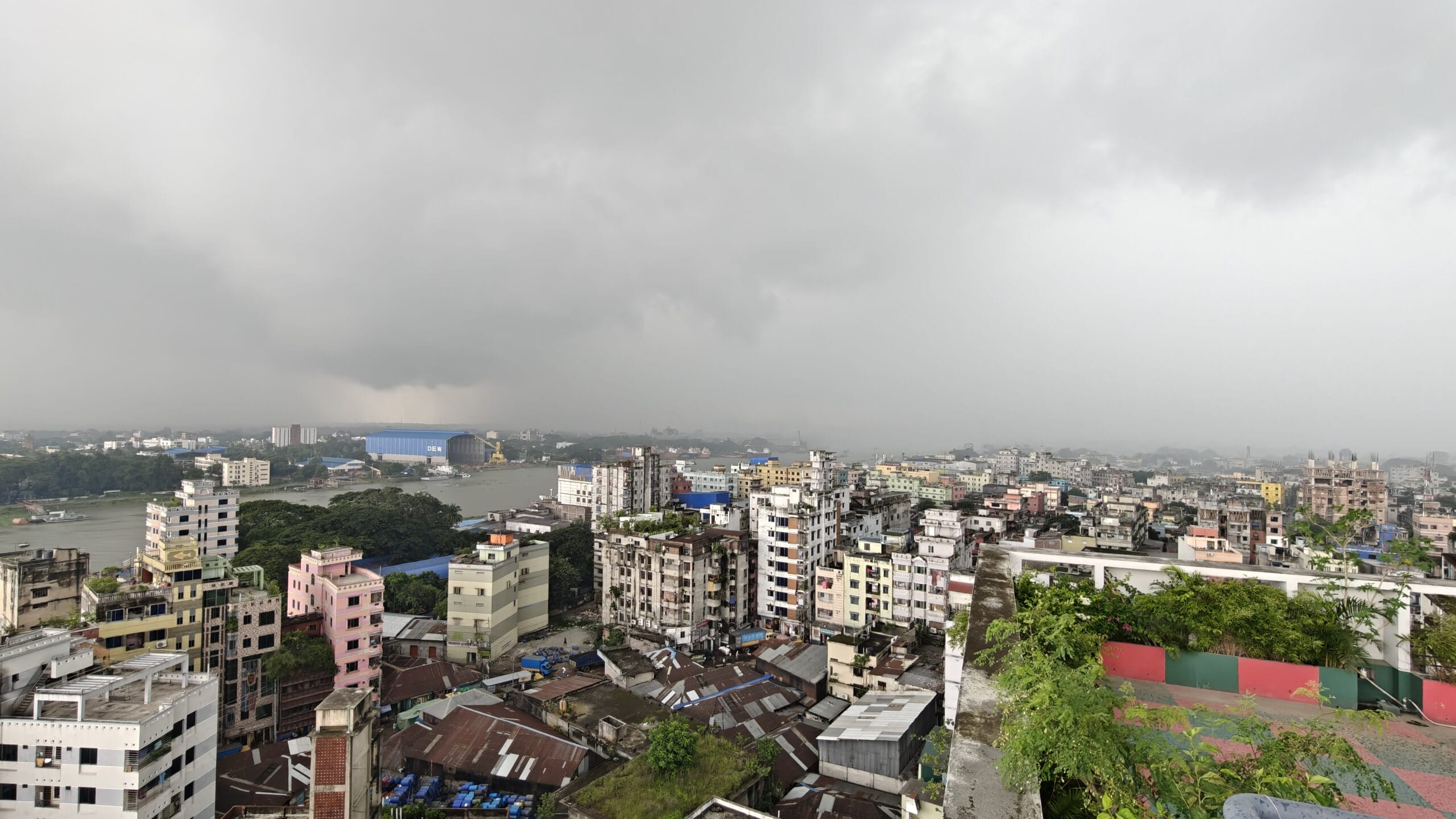
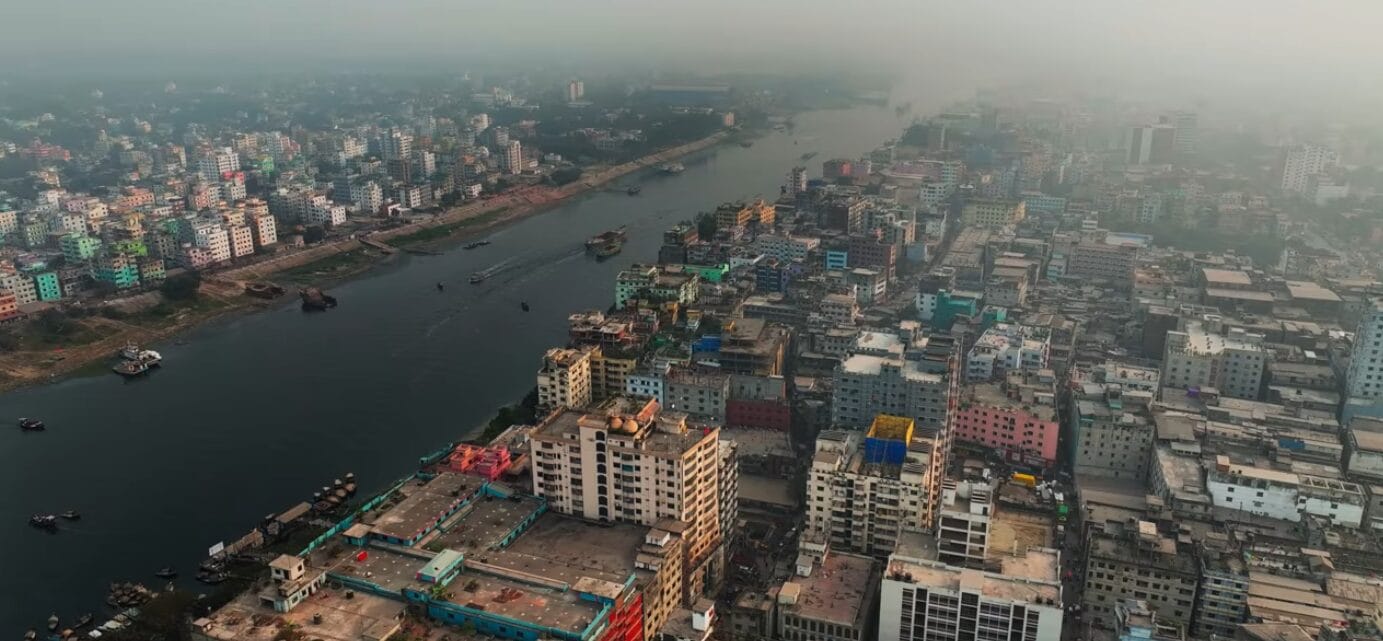
Narayanganj City Corporation (NCC) is one of Bangladesh’s most densely populated and industrially active urban centres, home to many low-income communities living in informal settlements. These communities face compounding climate risks, particularly waterlogging and urban heat stress, which are being intensified by rapid and largely unplanned urban expansion. Climate change threatens to deepen existing inequalities, placing the heaviest burden on those with the least capacity to adapt.
The People’s Adaptation Plan for NCC was developed to ensure that the voices, priorities, and adaptation needs of these communities are placed at the centre of the city’s climate resilience planning. Practical Action Bangladesh, in association with the Global Center on Adaptation and with funding from Global Affairs Canada, developed the People’s Adaptation Plan for climate-resilient, inclusive urban service delivery in NCC. The plan directly informs three major masterplans being prepared under the Asian Development Bank’s US$155 million Narayanganj Green and Resilient Urban Development Project: an urban action plan, a solid Waste management masterplan, and a sewerage masterplan.
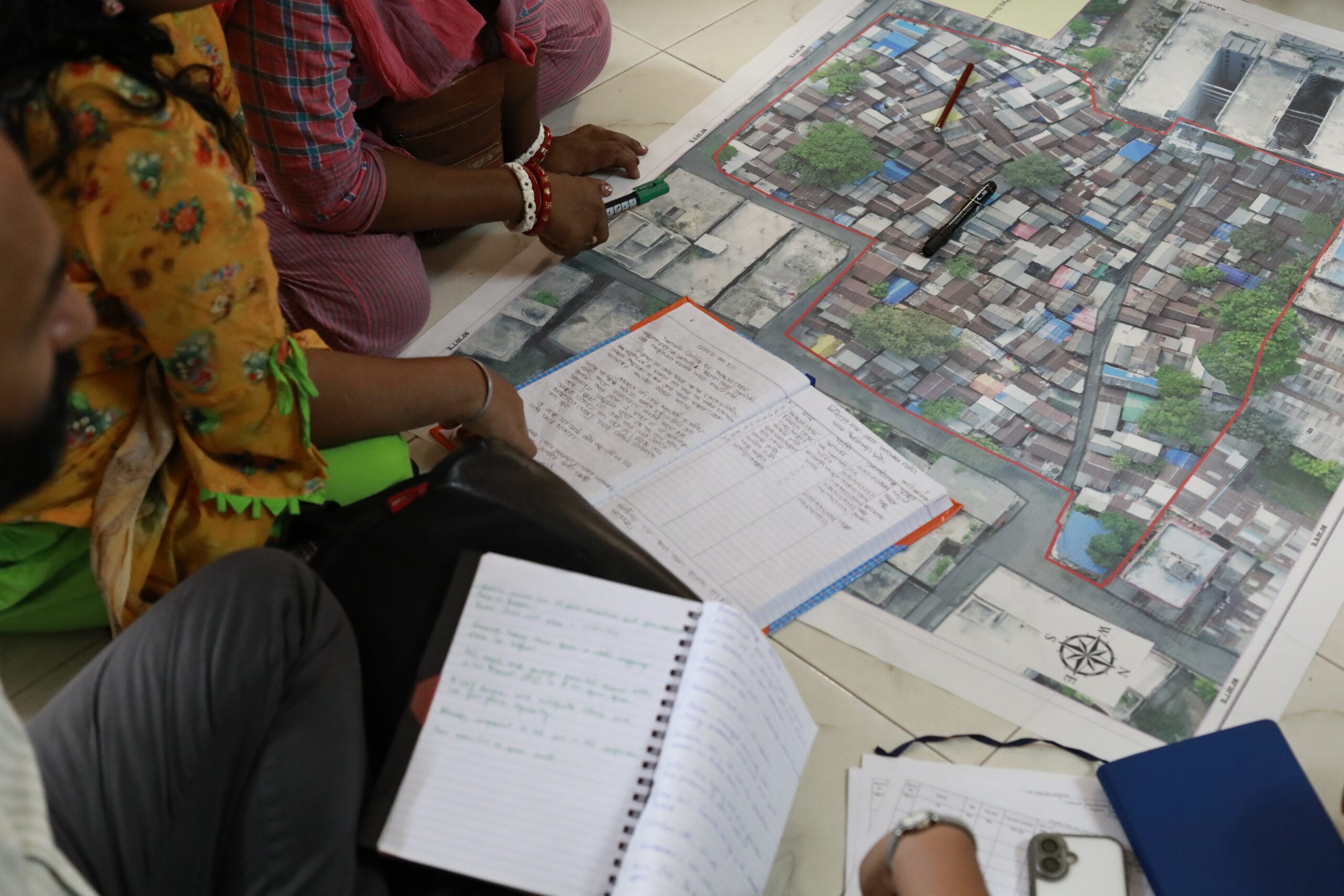
The plan was developed through a rigorous, multi-stage participatory process. A scientific Climate Vulnerability and Risk Assessment was first conducted across NCC’s wards, using remote sensing tools including Urban Heat Island mapping and waterlogging susceptibility analysis. To understand the resilience capacity of the people, the Climate Resilience Measurement for Communities (CRMC) tool, developed by Zurich Climate Resilience Alliance, was applied across the 27 wards. Results consistently showed very low resilience scores for both flooding and heat stress across all assessed communities, underscoring the urgency of targeted investment. From 66 low-income communities mapped across NCC, 16 are identified as high risk, 33 as moderate risk, and 15 as low risk. Based on these findings, 16 most vulnerable communities were selected for detailed adaptation planning.
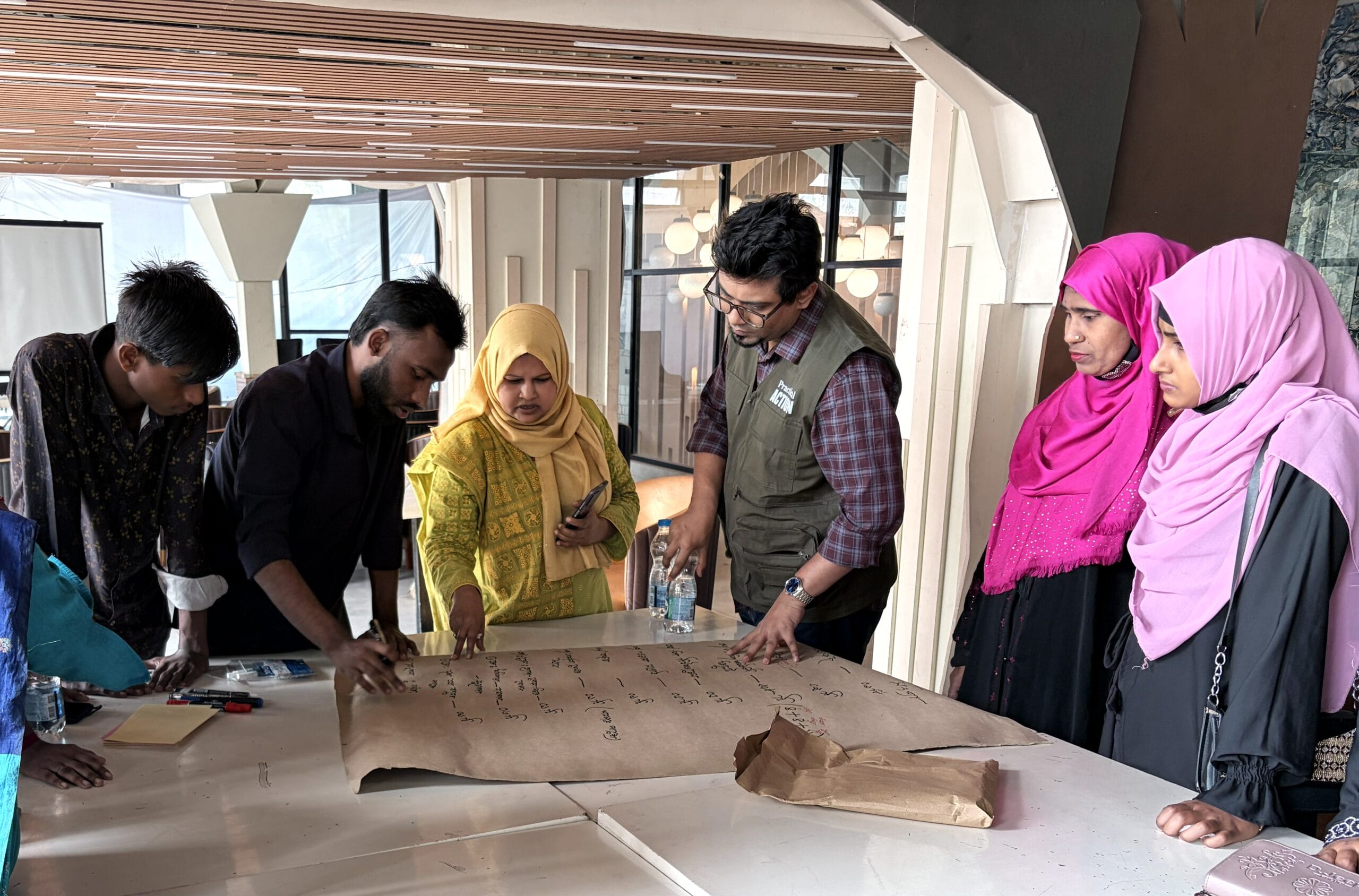
At the heart of the People’s Adaptation Plan process was meaningful community participation. Approximately 28 representative members from each LIC, with balanced representation of men, women, youth, and different occupational groups, came together in co-creation workshops to identify, discuss, and prioritise adaptation solutions. A pioneering feature of this process was the introduction of Women’s Adaptation Labs (WALs), dedicated planning spaces for women residents to articulate the climate vulnerabilities they face, assess their urgent needs, and develop locally appropriate and affordable solutions.
The plan’s actions are organised across five thematic areas prioritised by communities themselves: safe water, improved sanitation, managed waste, climate-resilient infrastructure, and waterlogging and heat stress reduction. These community-endorsed actions, each with estimated costs, are mapped against the three NCC masterplans and supported by a detailed stakeholder responsibility framework to guide implementation. The planning approach is grounded in the principles of Locally Led Adaptation and Nature-based Solutions, with an explicit commitment to pro-poor, gender-responsive, and disability-inclusive planning.
The plan is also aligned with Bangladesh’s broader national climate policy architecture, including the National Adaptation Plan 2023–2050, the Third Nationally Determined Contribution (NDC 3.0), and the updated Climate Change Gender Action Plan. In doing so, it translates national adaptation commitments into concrete, community-driven urban action.
The People’s Adaptation Plan represents a significant step forward in inclusive urban climate governance for Bangladesh. It demonstrates that when low-income communities are engaged as active agents rather than passive recipients, the result is adaptation planning that is more equitable, more grounded in lived experience, and more likely to achieve lasting resilience.