View the Project
People’s Adaptation Plans for a
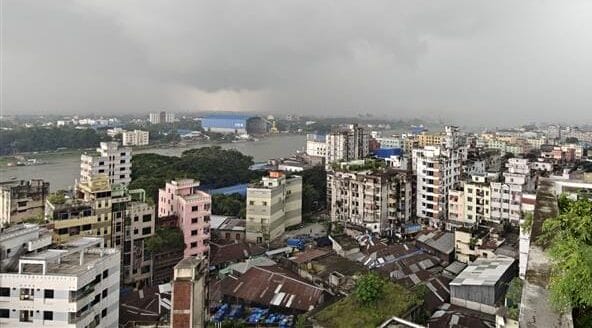
Rapid industrial expansion, unplanned growth and rising climate risks such as heatwaves, increasingly erratic rainfall, and waterlogging are putting severe pressure on basic urban services for the hundreds of thousands who call the city home. Access to safe water, waste management, drainage and sanitation is becoming more uncertain, particularly for low-income communities living in informal settlements where infrastructure is already fragile and highly exposed to climate impacts.
To respond to these growing challenges, Practical Action is implementing the People’s Adaptation Plans for Inclusive, Climate-Resilient Urban Service Delivery in Narayanganj City Corporation project with support from the Global Center on Adaptation (GCA), in collaboration with Narayanganj City Corporation (NCC), funded by Global Affairs Canada. Through this work, we aim to ensure that the priorities and lived experiences of vulnerable communities guide NCC’s upcoming green masterplan, with a focus on climate-resilient urban services such as waste management, sewerage, and urban development, placing people at the centre of planning.

2025 – 2026

Bangladesh

Climate resilience
Access to safe water, sanitation, and hygiene remains critically lacking across Narayanganj, positioned by the Shitalakshya River and next to Dhaka, has long been central to Bangladesh’s economy and cultural heritage. Known as the Dundee of the East for its textile history, the city still depends heavily on industry and trade.
But the landscape that once fuelled its prosperity is now deeply stressed. Rivers are polluted and overtaken by the city’s expansion. Drainage and sanitation systems struggle to keep up with population growth and industrial waste. Climate change compounds these pressures: waterlogging, prolonged heatwaves and irregular rainfall are becoming more frequent, worsening safe water scarcity and living conditions.
Low-income neighbourhoods, many in vulnerable, waterlogged zones, face the worst impacts. Limited services, overcrowding and social inequalities reduce their ability to cope when extreme weather hits.
By integrating community-driven adaptation planning into city systems, Narayanganj has an opportunity to strengthen climate resilience, protect ecosystems and support more inclusive urban development so no one is left behind.
Full title: People’s Adaptation Plans for Inclusive, Climate-Resilient Urban Service Delivery in Narayanganj City Corporation
Dates: March 2025 – March 2026
Location: Narayanganj City Corporation, Bangladesh
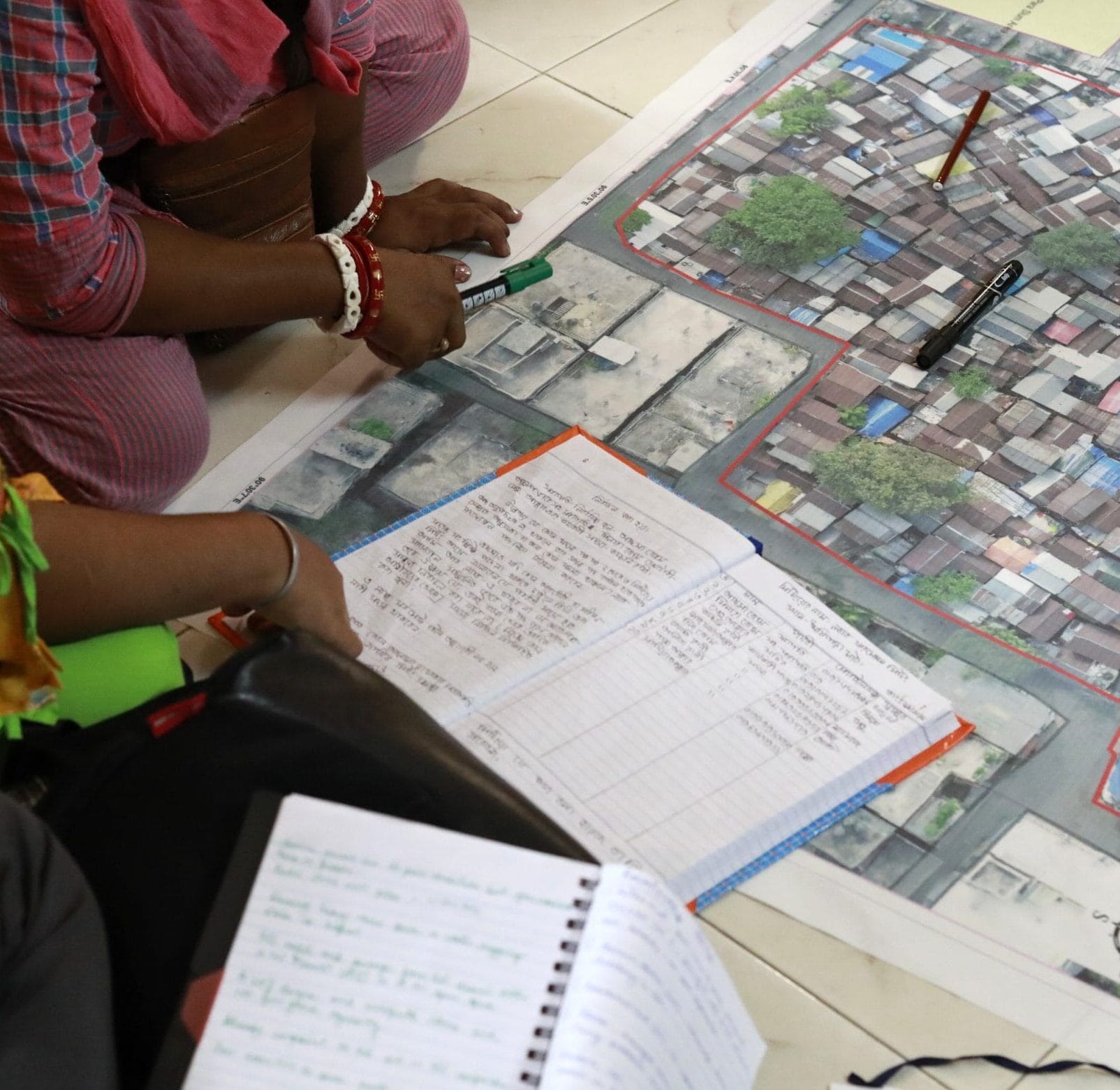
Our role: As the lead implementer, Practical Action’s main roles are to carry out the scientific Climate Vulnerability and Risk Assessment, conduct the Climate Resilience Measurement for Communities assessment, and develop the People’s Adaptation Plan for vulnerable informal settlements integrating the principles of Locally Led Adaptation (LLA).
Participants: Over 89000 inhabitants of low-income communities reached through the resulting adaptation plans.
Project budget: CAD 312,000
Theme: Climate resilience
Funded by: Global Center on Adaptation (GCA) through Global Affairs Canada
Practical Action is working with GCA and NCC to ensure that climate risks and community-level insights directly inform the city’s masterplans on solid waste, sewerage and urban development. The approach follows Locally Led Adaptation principles and uses tools such as Climate Resilience Measurement for Communities (CRMC) —developed by the Zurich Climate Resilience Alliance (ZCRA), of which Practical Action is a founding member— to assess risks and prioritise resilience needs.
Low-income communities, community-based organisations, local authorities, civil society and academia all take part in the planning process. CRMC assessments help identify resilience capacities and feasible adaptation options. Processes such as Women’s Adaptation Labs are also used to create spaces for women from informal settlements to engage with engineers, planners and technical experts, shaping solutions that reflect daily realities and are cost-effective and sustainable.
Based on all this insight, we’ll shape People’s Adaptation Plans, which aim to:
Help us work with communities to tackle some of the world’s toughest problems.