Regenerative agriculture: just a buzzword?
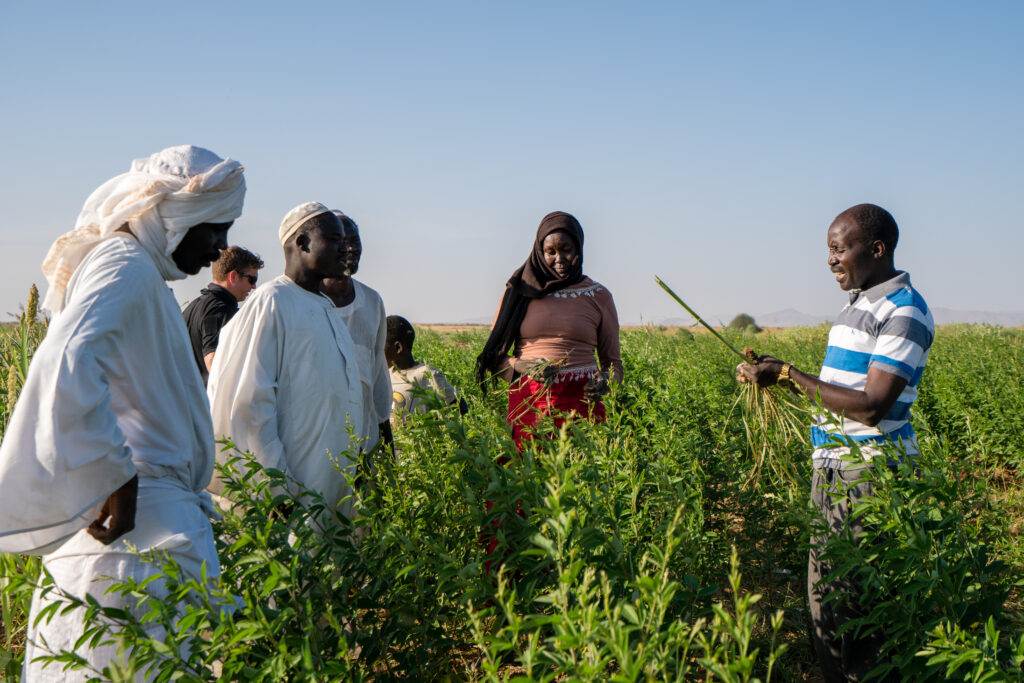
Farming in a sustainable way has gained global momentum. Governments are exploring roadmaps, companies are pledging to transform the way in which they buy food and investors are signing new commitments to climate change. This attention is encouraging. It shows how urgently we must change the way we grow food in the face of changing weather and rising demand.
Recent discussions at the Africa Food Systems Forum brought these issues into sharp focus, but the question remains: what does regenerative agriculture really mean in practice, and how can we ensure it delivers for farmers as well as for food systems?
Why one-size-fits-all doesn’t fit farming
The growing global interest in regenerative agriculture is welcome, but it comes with risks. Blanket approaches imposed from the top won’t match the diversity of soils, climates and cultures in which farming takes place. Put simply; what works in one place, may not succeed in another.
The answer to this problem seems straightforward: farmers must be able to map their own journeys to sustainable agriculture. We believe the role of organisations like Practical Action is to create the conditions to make this possible. We must start with what already works, create space for experimentation, track progress and strengthen collaboration between farmers, local government, businesses and researchers.
When regenerative agriculture moves from theory to practice
Regenerative agriculture cannot live only in policy papers and corporate strategies. Its real meaning is found in farmers’ fields, where people are already experimenting, adapting and proving what works.
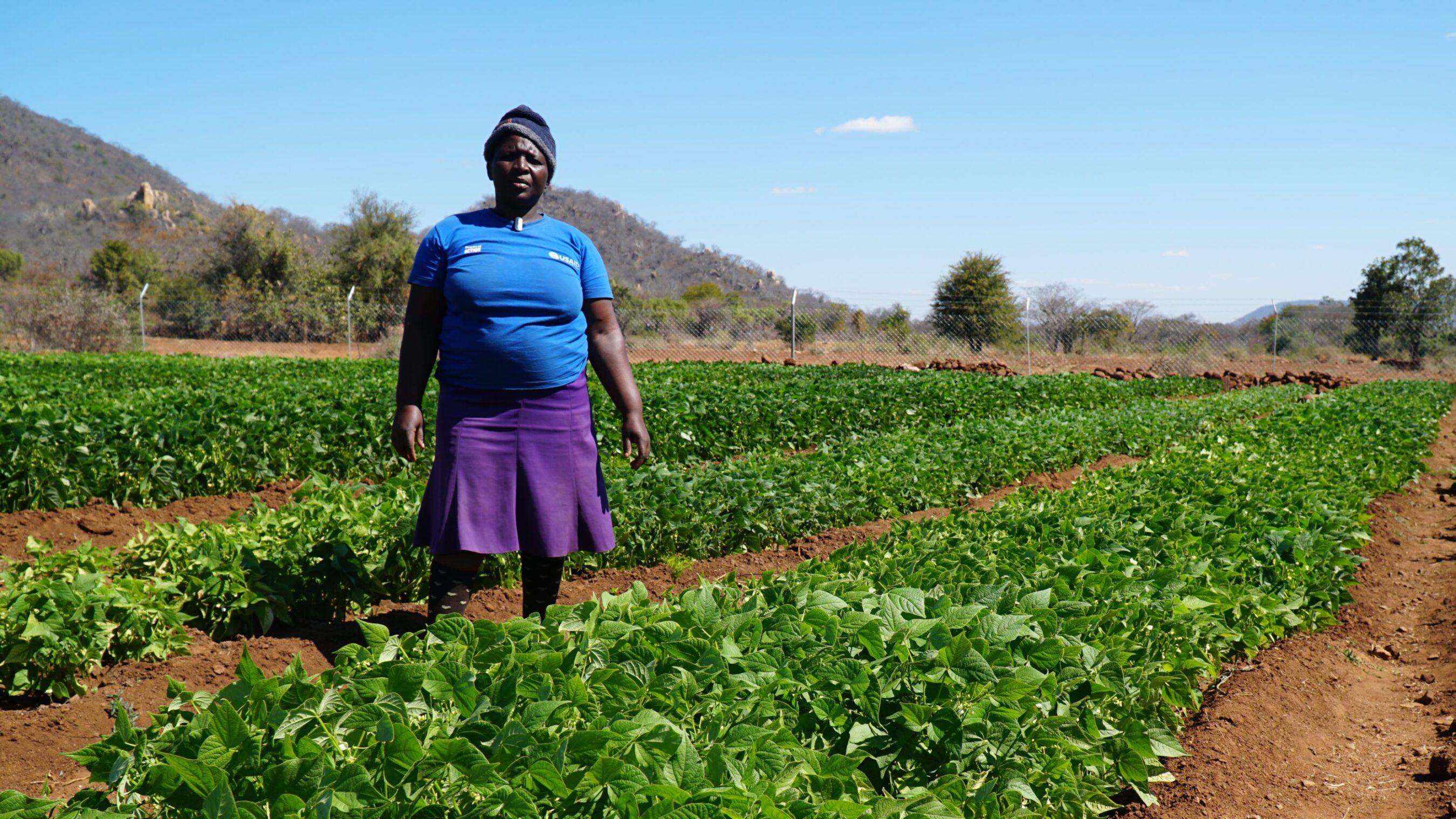
In eastern Zimbabwe, despite searing heat and erratic rains, farmers in Makoni and Mutasa Districts are actively testing regenerative practices that are tailored to their local contexts. As a response, a new project has established “innovation hubs” that enable stakeholders to work together.
This is done together through action-based research to help understand the performance of particular agricultural value chains, and improve the adoption of regenerative farming in a given geographic location. Farmers working within 12 Farmer Innovation Hubs, have mapped out what a practical transition to regenerative farming looks like for them.
In their first year, they co-developed a regenerative agriculture action plan with local farmers, agriculture extension officers, agrovets, fertiliser producer companies and agriculturalists from a local university, and other market actors such as retailers. This has enabled them identify problem areas and adopt context-appropriate practices, resulting in an abundant initial harvest.
They have also secured farm inputs such organic fertiliser for the next growing season, obtained links to new retail markets for the produce they harvest – this tangible progress is turning climate risk into resilience.
Farmer Innovation Hubs, supported by the King Charles III Charitable Fund (KCCF) and local partners, are not classrooms – they are living laboratories for farmer-led experimentation and research. Farmers chart their transition from chemical intensive farming to agroecological farming practices. They build on existing knowledge, track local challenges and unlock new opportunities to grow thriving, climate-resilient farms.
The design strengthens relationships with local government, the private sector and academia. In doing so, it blends traditional knowledge and agroecological principles (such as farm circularity, crop rotation, vegetation cover – among others) with evidence-based tools. Through soil testing, geo-mapping, and participatory surveys, farmers generate the data that drives smarter, more relevant decision-making. It is collaborative and fosters local ownership and trust.
Importantly, because it adapts to contexts without incurring significant additional funding, the model is both cost-effective and scalable.
What’s next
The Zimbabwe pilot is already showing results: farmers are gradually adopting a regenerative agriculture approach. An approach they own and believe in.
The first season has seen bumper harvests in extreme conditions, which has helped farmer access new markets. This is not an isolated win. It is evidence that a farmer-led and evidence-based model can work at scale.
This approach will now be rolled out by other country teams, refining and testing our approach in different contexts and sharing insights across regions, holding great promise for global uptake.
For donors, investors and policymakers, the lesson is clear: for regenerative agriculture to be meaningful we must invest in the tools and approaches that farmers are already proving work.
More than a buzzword
Regenerative agriculture is too important to become just another forgotten buzzword. Its promise lies in the fields where farmers are turning theory into harvests and thriving livelihoods.
If you are working on regenerative agriculture, whether in policy, business, or development, we invite you to partner with us. Together, we can make our approach mainstream, with robust monitoring and evaluation tools that ensure that farmers’ walk confidently into the transition, shaping a future where food systems are resilient, sustainable and just.
Because the future of food will not be built for farmers. It will be built with them.
Take action
If you are interested in partnering with us or would like to know more about our work in the region, please get in touch with our team.
For all business development enquiries: [email protected]
For media enquires: [email protected]