Fuel saving is life saving

Improved clay stoves in Darfur

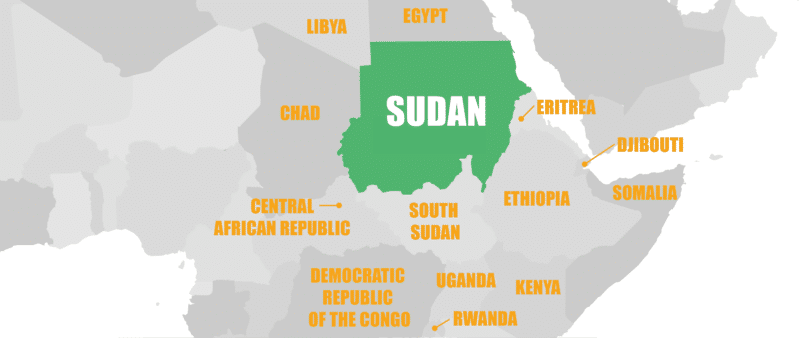
Shortage of fuel for cooking is one of the many problems faced by the 2 million internally displaced people in Darfur, Sudan. Gathering fuel is generally women’s work and is dangerous. Women have been attacked, raped or killed during their search for firewood. Sources of firewood near the camps are now completely depleted, leading women to travel further and further afield or to dig up tree roots, eliminating any chance of the trees growing again.

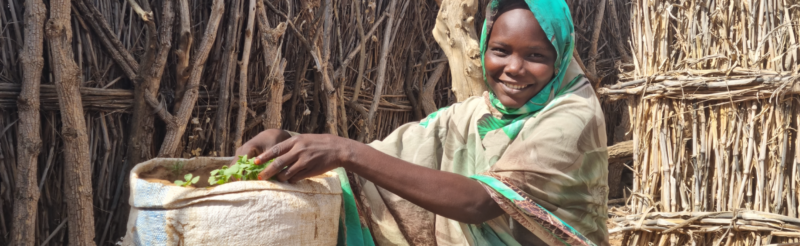
Women making the improved stoves to a design developed by Practical Action with Sudanese communitiesVarious alternative cooking fuels such as kerosene or LPG have been tried but both the stoves and the fuel proved too costly for people living in the camps.

Practical Action is tackling this problem through the use of improved woodstoves, which are both affordable and easy to use. The improved stove has high sides which assist heat transfer. Practical Action's project staff originally helped to develop this stove at Wau Nour, a camp for displaced and marginalised people, on the outskirts of Kassala, Sudan, as part of a project to reduce indoor air pollution due to cooking.

Over 150 women have been trained to use the new stoves and are now able to teach these techniques to others. Essential fuel saving tips such as using dry wood, pre-soaking beans before cooking, using a weighted lid and controlling the air supply to the fire are included in the training programme.

These methods cut fuel use in half and as a result the incidence of violence towards women has significantly reduced.

A simple technology that brings fresh hope

Using just locally-available clay and bricks, the stoves can be made in a few simple steps:

1 A line is drawn around the outside of the saucepan most frequently used in the kitchen to determine the size of the stove.

2 Three brick segments with clay stuck underneath them are placed an equal distance apart inside the edge of the circle drawn in the sand.

3 The whole circle is filled with clay to a depth of about 4cm.

4 The walls are then built up outside the bricks although a small part of the bricks are embedded in the wall. The walls are roughly 4cm thick. The wall is built up until it is flush with the top of the bricks.

5 The pan is then placed on top of the bricks and the walls are built up until they are just under the top of the pan. There should be a finger size gap between the pan and the wall.

6 The pot is removed and using a scraper the surface of the stove is made smooth. An exhaust hole is cut in the side to increase the stove efficiency
by increasing the air flow, and allow wood to be added
without the need to move the saucepan. The stove is left to dry naturally.

Further information

Clay-based technologies manual
A practical handbook on making the improved stove, as well as clay refrigerators and water coolers, from Practical Action Sudan. This manufacturing manual has step by step instructions, photos and technical drawings.

Download further technical information on improved stoves and ovens from Practical Answers.

Boiling Point household energy journal

click here to donate online via secure serverYour donation will help us to build more of these life-saving stoves, run more courses to teach women how to make them, and help save lives.