Reducing vulnerability

Poor people are the most vulnerable. Their lives are highly susceptible to shocks or disruptions caused by climate change, natural disasters, conflict and the spread of infectious disease.

fetching water from a well by donkey

The unsustainable use of fossil fuels in developed countries makes the planet more vulnerable to climate change, and the developing world is the hardest hit. Even a small degree of environmental degradation can damage the local ecology and livelihoods.

The effect of climate change, combined with rapidly changing socio-economic conditions, is an increased incidence of natural disasters that create more refugees than wars and conflict. Today, 96 per cent of all deaths from natural disasters occur in developing countries.

Armed conflicts are increasing and are now mainly within rather than between states. Poorer and more marginalised people are the principal victims of such conflicts rather than members of the armed forces, and the death and destruction that conflict brings to people living in poverty also contributes to their displacement and the disruption of their livelihoods.

Climate change, environmental degradation and under-resourced public health systems in developing countries also aid the spread of diseases such as HIV/AIDs and malaria - to which poor people are particularly vulnerable.

While the challenges are great, technology can offer viable solutions that change lives for the better.

brickmaking in Peru

Aim 1 Reducing vulnerability

To strengthen the ability of poor people to use technology to cope with threats to from natural disasters, environmental degradation and civil conflict, by:

  • Strengthening the ways that people who live in fragile environments cope with the environmental degradation which threatens their livelihood opportunities
  • Improving vulnerable communities’ ability to prepare for, survive and rebuild homes and livelihoods after natural disasters
  • Preventing and managing conflicts over scarce natural resources and competition for common property resources
  • Rebuilding the livelihoods of people affected by civil war or conflict

Examples of how Practical Action works to reduce vulnerability

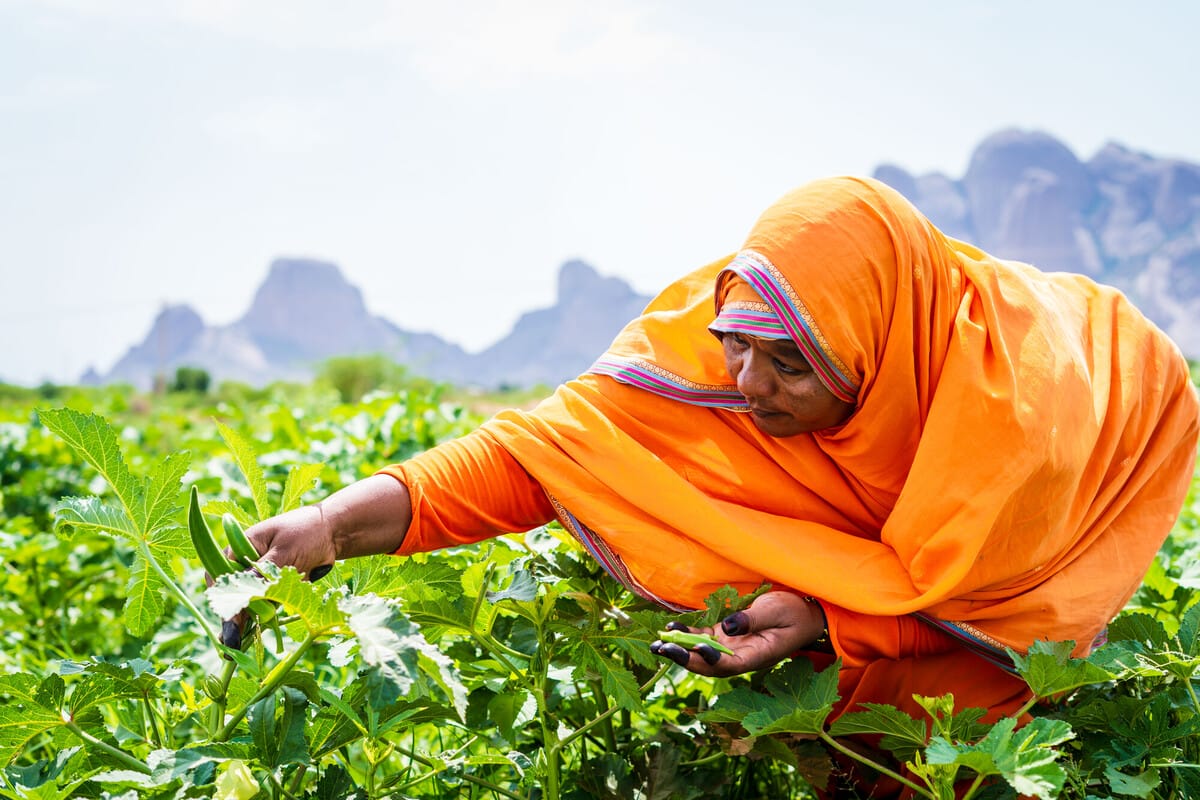
In Eastern Sudan, ITDGPractical Action is assisting poor people who have fled conflict in the country’s western and southern areas to build new lives. A particular focus is the displaced poor with special emphasis on women, one of the most vulnerable groups.

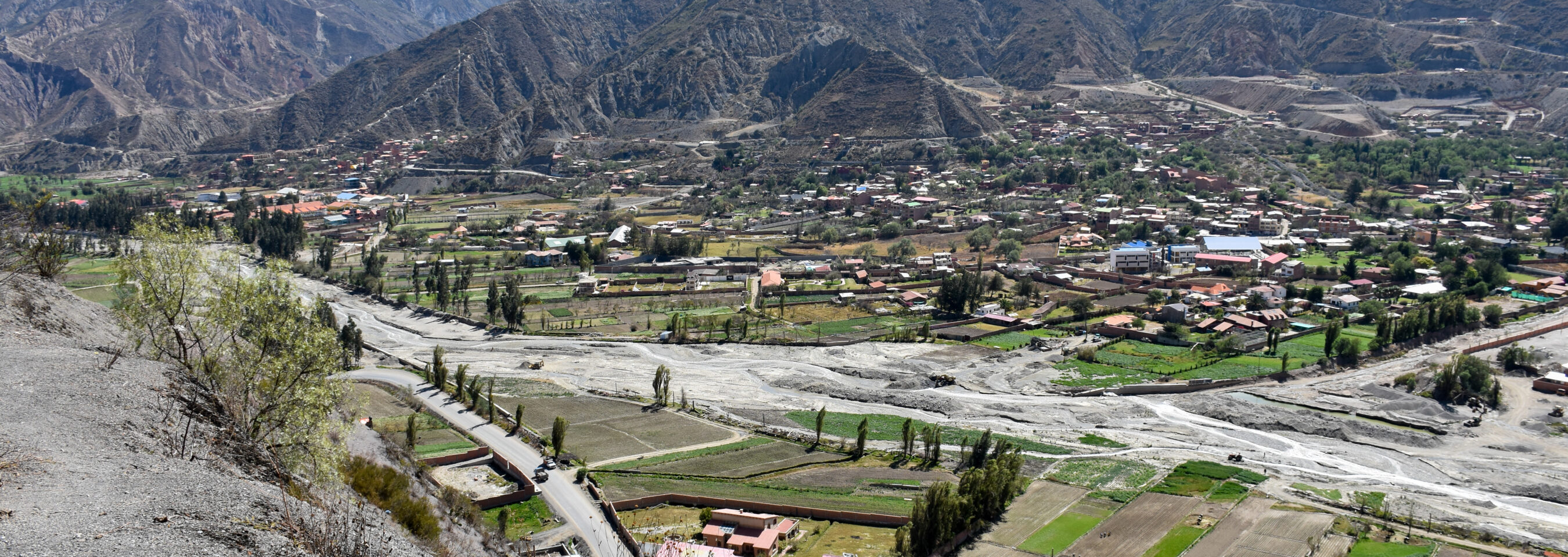
In Peru, following a devastating earthquake, ITDGPractical Action offered local people training and support in the construction of new and safer houses using locally available materials and low cost technology.

Practical Action's other programme aims