


Micro-hydro power: the basics
How does it work?
Water from the river is channelled through a settling basin, which helps to remove sediment that could harm the turbine. The water then flows into the Forebay Tank where it is directed downhill through a pipe called a penstock. When the water reaches the bottom, it drives a specially designed turbine to produce the electricity.
What does it cost?
Costs vary depending upon the particular project, but as a rough guide, these projects cost just over £800 per kilowatt of power generated. So a system with a capacity of six kilowatts - enough to drive a mill and provide electric light to a community of 20 families - would cost about £5,000.
Once the system is in operation, local people pay a small charge to use the electricity. This covers maintenance and the eventual cost of replacement.

Why is it needed?
Of course, every community’s particular needs are different. But in general, access to energy is a vital stage in the development of remote villages like these.
It can lead to swift and significant improvements in education, sanitation, healthcare and the overall standard of living. These benefits are achieved both directly - as in the provision of light - and indirectly - as the time and money that people save is redirected into other projects.
How long will it last?
Micro-hydro systems like these are designed to operate for a minimum of twenty years if they are properly looked after. That’s why we train local people to build and maintain their own system. And by making a small charge for use, communities can accumulate enough money to pay for the replacement of the unit at the end of its useful life.
Once schemes are set up, they should continue to function indefinitely without any more external funding.
What’s the environmental impact?
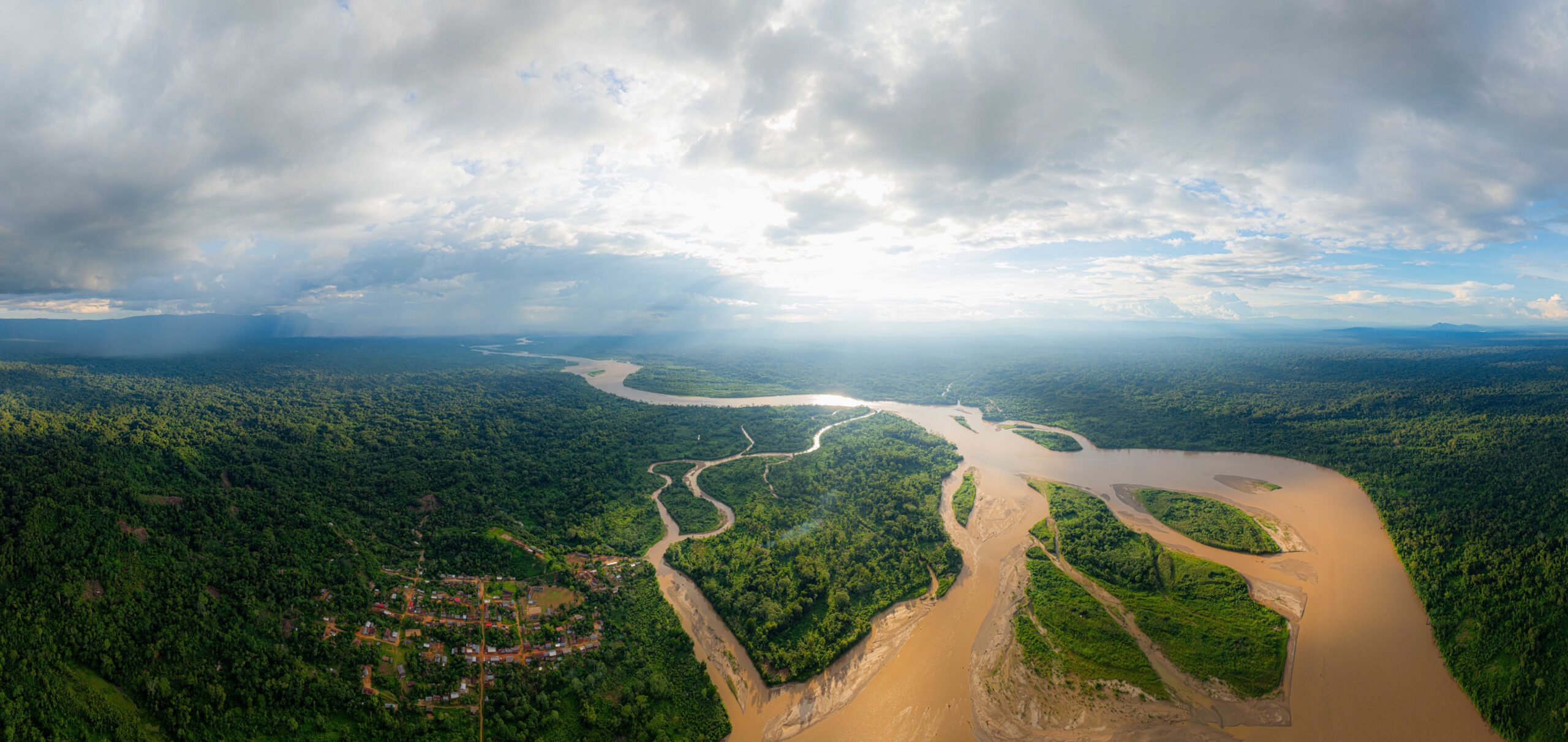
Unlike traditional power stations that use fossil fuels, micro-hydro generators have practically no effect on the environment. And because they don’t depend on dams to store and direct water, they’re also better for the environment than large-scale hydro-electric stations.
In fact, by reducing the need to cut down trees for firewood and increasing farming efficiency, micro-hydro has a positive effect on the local environment.
This page only gives the basic outline of how micro-hydro power can make a difference. ITDGPractical Action has produced a number of more in-depth documents for further reading on micro-hydro power:
- ITDGPractical Action's technical brief on micro-hydro power
231K - in-depth paper on micro hydro power ~80kb

- detailed paper on Decentralised Rural Electrification ~24kb

- an in-depth book: "Best practices for sustainable development of micro hydro power in developing countries"
by Smail Khennas and Andrew Barnett (NB: large file) ~1.5Mb
(also available from microhydropower.net) - illustrated guide to financing micro-hydro ~210kb

Case study: the Tungu-Kabri Micro-hydro Power Project in Kenya