Micro-hydro power
Practical Action promotes small-scale hydro schemes that generate up to 500 kilowatts of power. The micro-hydro station, which converts the energy of flowing water into electricity, provides poor communities in rural areas with an affordable, easy to maintain and long-term solution to their energy needs.
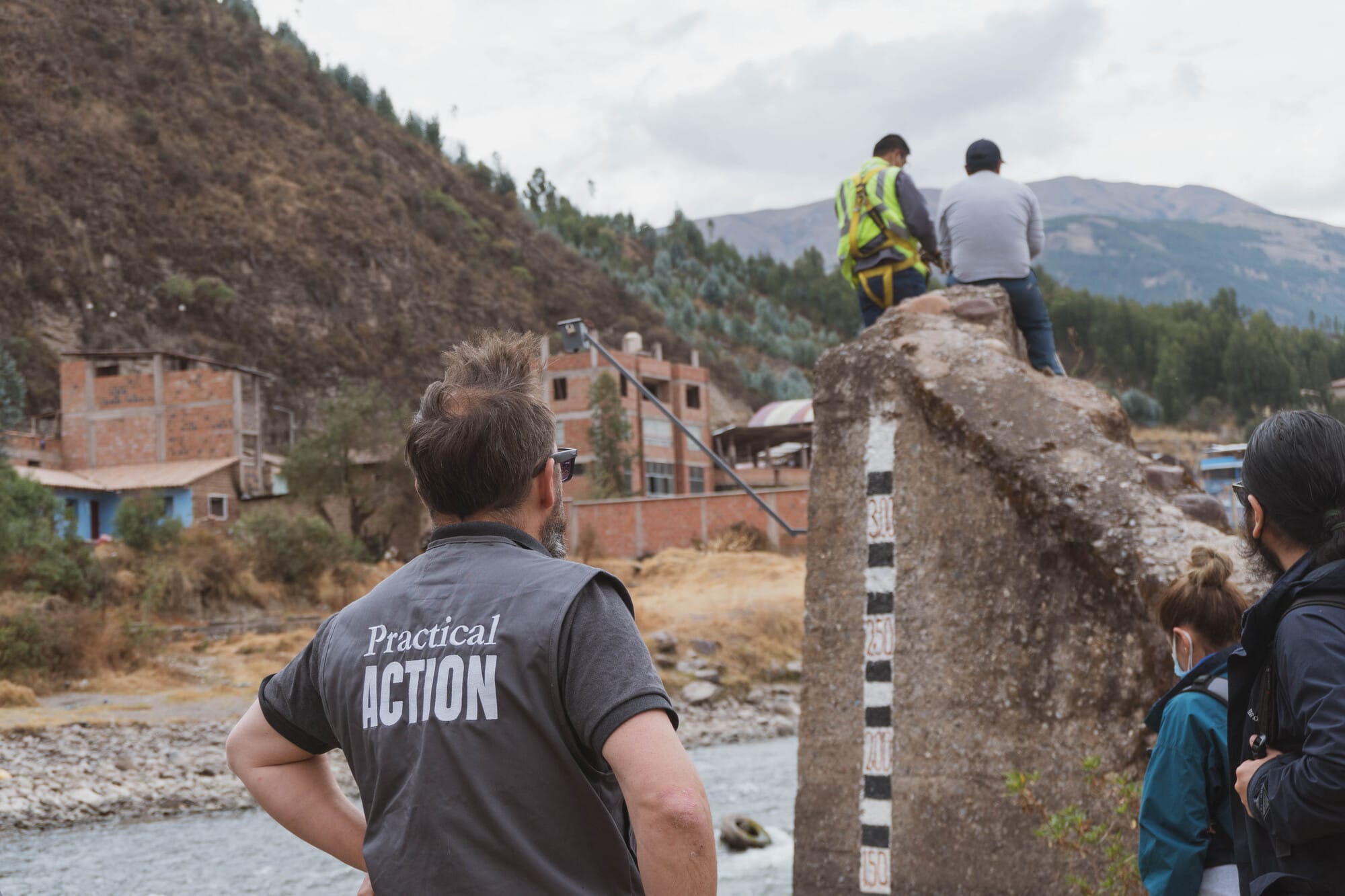
Practical Action has developed micro-hydro systems with communities in Peru, Zimbabwe, Sri Lanka, and Kenya.
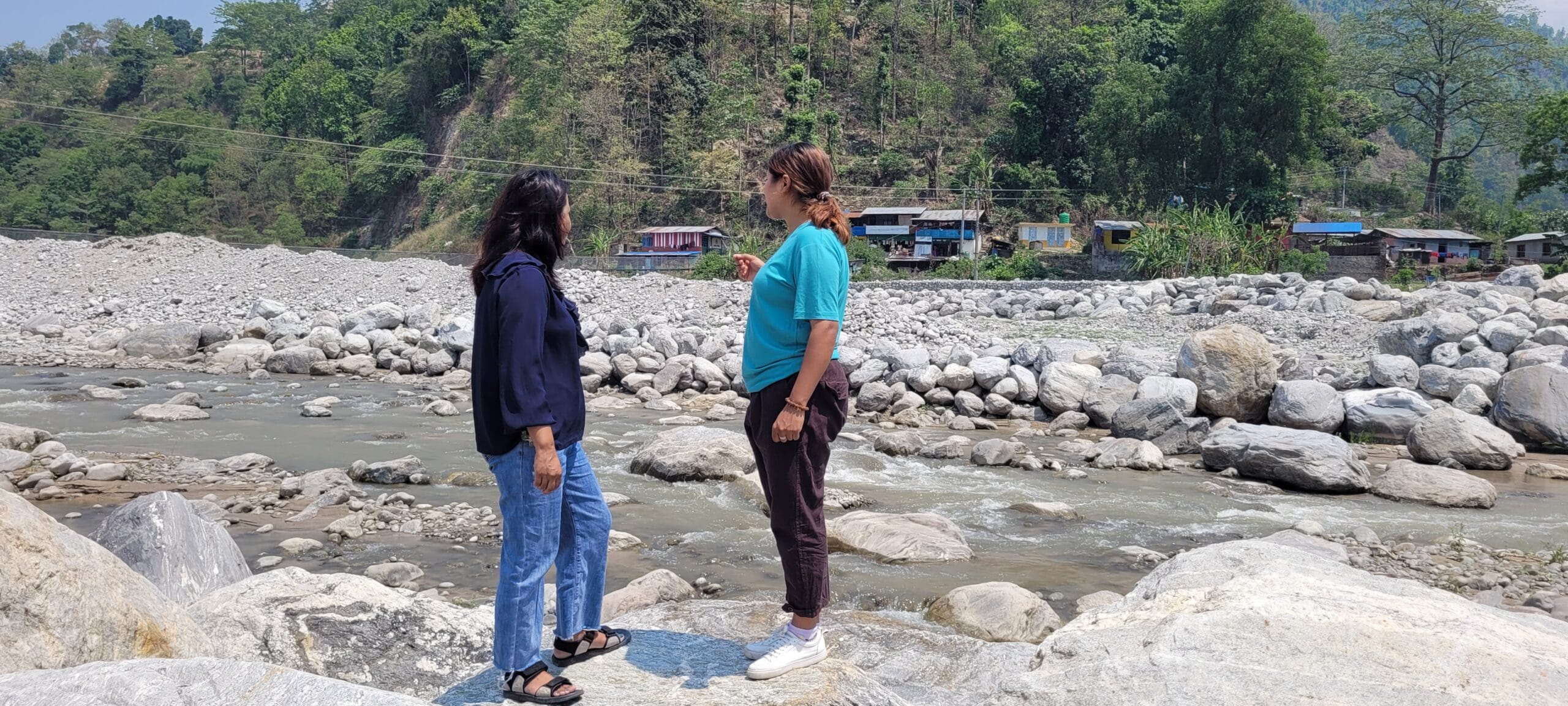
These systems, which are designed to operate for a minimum of 20 years, are usually 'run-of-the-river' systems. This means they do not require a dam or storage facility to be constructed but simply divert water from the stream or river, channel it in to a valley and 'drop' it in to a turbine via a penstock (pipeline).
This type of hydro generating thus avoids the damaging environmental and social effects that larger hydroelectric schemes cause.
Cost for a typical micro-hydro system varies depending on the project. As a guide every kilowatt of power generated cost around £800. A 6-kilowatt system, enough to drive an electric mill and provide light for a community of about 500, would cost approximately £4,800. Experience shows that community capital (in labour and cash), financial credit and improved income makes these schemes economically viable and sustainable.
Besides providing power for domestic lighting and cooking needs, village hydro schemes can also be used for charging batteries or for income generating activities like grain milling, depending on the needs of the community.
How micro-hydro works
Case study: water-powered computers |
Case study: Kenya |
Micro-hydro projects on video
Adam Hart-Davis reports on a micro-hydro project in Kenya
Practical Action's micro-hydro work in Peru
External link: CNN report on Practical Action's micro-hydro work in Peru
Micro-hydro in detail
For more detailed information about micro-hydro power:
- Practical Action's technical brief on micro-hydro power (PDF, 275k)
- in-depth paper on micro hydro power (MS Word, 80k)
- detailed paper on Decentralised Rural Electrification (PDF, 24k)
- an in-depth book: "Best practices for sustainable development of micro hydro power in developing countries" by Smail Khennas and Andrew Barnett (PDF, 1.5Mb) (also available from microhydropower.net)
- illustrated guide to financing micro-hydro (PDF, 210k)
- Practical Action's energy programme in East Africa, Latin America, Nepal and South Asia
- 12 reasons to exclude large hydro from renewables initiatives
A report arguing why large-scale hydro should be excluded from global efforts to promote renewable energy.
More detailed reports evaluating the success and impact of scaling-up micro-hydro power:
- Up-scaling Micro Hydro: a success story? Rajindra de S Ariyabandu (PDF, 327k)
It is over a decade since Practical Action first embarked on micro hydro in Sri Lanka. This report attempts to capture some of the highlights in the development process and assess the path of up scaling micro hydro beyond the initial goal of Practical Action South Asia in the present context. - Social Impact Evaluation Project "Fund For the Promotion of Micro Hydro Power Stations (MHSP)" Dr Julio Calderón Cockburn, 2005 (PDF, 332k)
This paper presents the social impact evaluation of the Project “Fund for the Promotion of Micro Hydro Power Stations (MHSP)”, which was carried out by Practical Action (then ITDG) with the support of the Inter American Development Bank (IADB) through a Finance and Technical Cooperation Agreement. - Estudio de Scaling-Up en Micro Centrales Hidroeléctricas: Experiencias De Soluciones Prácticas Graciela Prado Ramos, 2006 (PDF, 618k)
This study looks at the development of the hydroelectric micropower stations with respect to the concept of "scaling up", using the experiences of Practical Action in Latin America. (Spanish language)