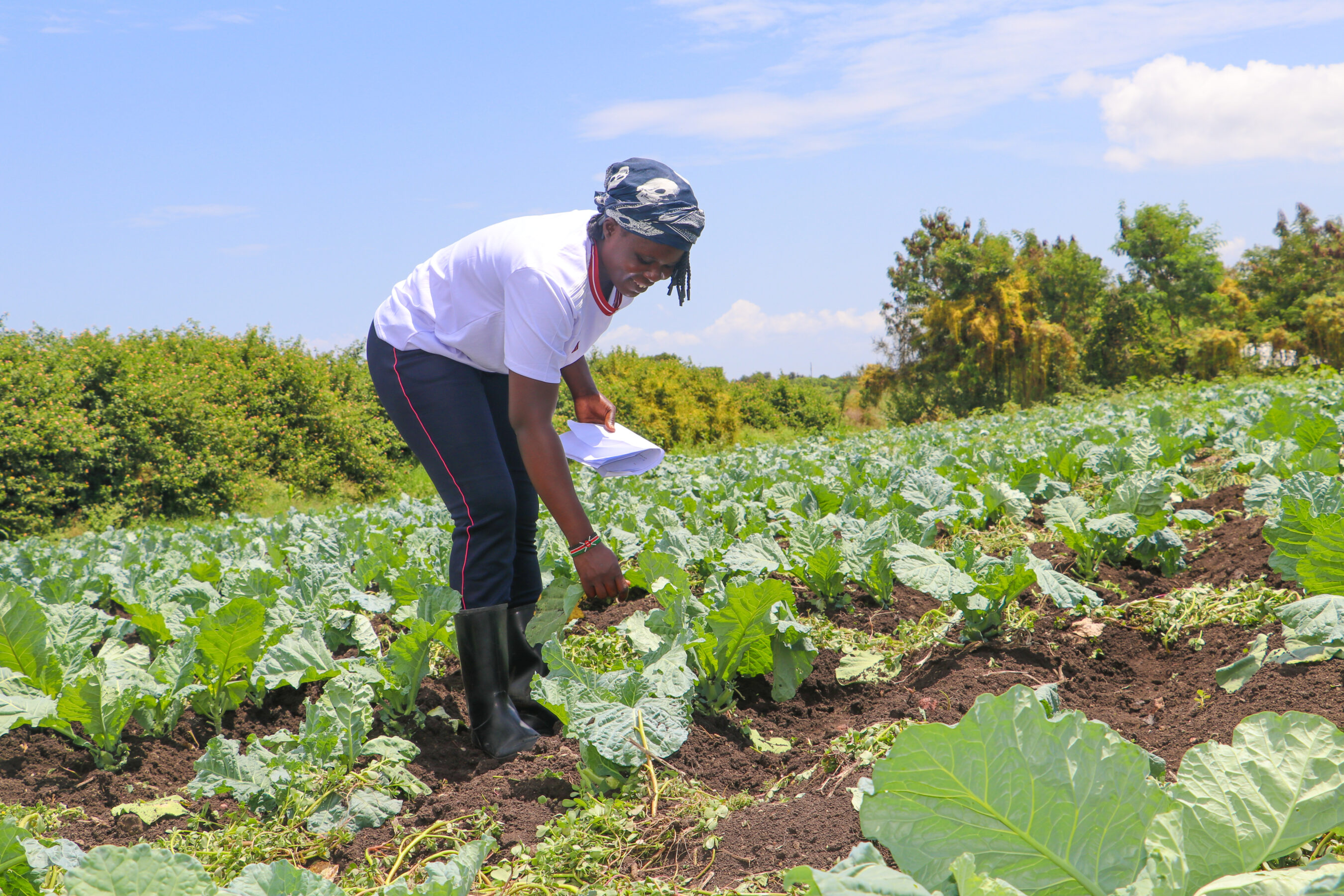
Agroprocessing

Agriculture is the cornerstone of most developing countries' economies. Unfortunately, agriculture alone is no longer able to provide a reliable livelihood for the growing populations in these countries. Aternative or additional income generating opportunities are needed to support the millions of poor families who can no longer support their livelihoods from the land alone.

Agroprocessing - turning primary agricultural products into other commodities for market - has the potential to provide those opportunities.

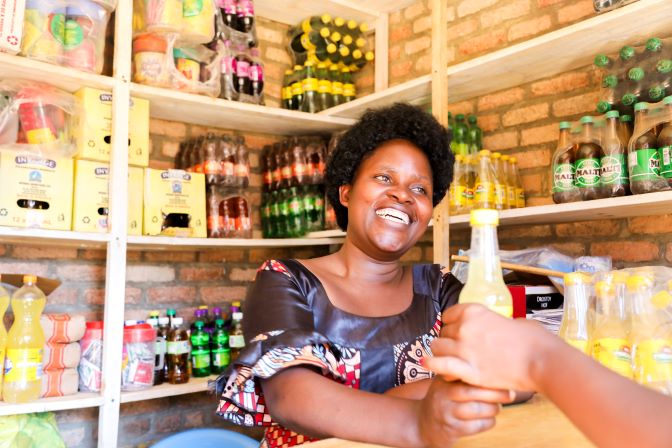
Practical Action's agroprocessing projects aim to increase income and access to food for the poor, by establishing small-scale, appropriate and sustainable processing businesses that are flexible, require little capital investment and can be carried out in the home without the need for sophisticated or expensive equipment.

The overall potential of agroprocessing is huge. It can reduce wastage, enhance food security, improve livelihoods for low-income groups and empower women. In sub-Saharan Africa, for instance, it is estimated that 60 per cent of the labour force finds part of its work in small scale food processing, and the majority of them are women.

However, there are a number of constraints that limit the further development of small-scale food processing in developing countries. Starting and developing a small business in a developing country is no easy task. Entrepreneurs face many challenges, especially with the uncertainty that exists over access to finance, advice and information, and reliable markets.

By offering both technical assistance, and business advice, support and extension services, Practical Action has make a great difference to their chances.

Expertise

Practical Action's expertise in agroprocessing includes:

Practical Answers, Practical Action's technical information service, produces a wide range of Technical Briefs, practical fact-sheets on many different aspects of food processing.

Food Chain
Further information on food processing can be found in the archives of the Practical Action journal Food Chain, which contains practical information on every aspect of small-scale food processing from ideas, method and appropriate technologies through to marketing and economics. It was targeted at field workers from development organisations, individuals and small groups involved in food processing for income generation.

Experience

For over 20 years Practical Action has been working with communities, groups and entrepreneurs in more than 30 countries to develop new food processing technologies. These not only provide immediate benefit to the people in the countries where they are conducted but also validate the approaches enabling them to be replicated worldwide.

Recent projects that improved the quality of life for the poor through increased income, employment, improved food security, empowerment and nutrition include:

  • Snack food production in Bangladesh, Peru and Sri Lanka.
  • Fruit and vegetable drying in Sudan, Sri Lanka and Bangladesh.
  • Oil and Honey Processing in Zimbabwe.
  • Cashew Nut Processing in Sri Lanka.
  • Cereal Milling in Peru.
  • Peanut Butter production in Zimbabwe.

In addition to these established areas Practical Action have also investigated new technologies in the following areas:

  • Sugar processing in Sudan and Peru
  • Medicinal plants in Peru and Sri Lanka
  • Forest products in Nepal and Peru
  • Mushroom processing in Zimbabwe
  • Fermented products in Nepal
  • Promotion of under-utilised crops in Bangladesh
  • Dairy products in Nepal
  • Animal feeds in Zimbabwe
T4SL

T4SL

Practical Action's Technology for Sustainable Livelihoods website (T4SL) contains archive material from our experience in agroprocessing, including:

  • Practical Action, Schumacher Centre for Technology & Development, Bourton on Dunsmore, Rugby CV23 9QZ, UK  |  Reg Charity No 247257
  • Last updated: June 10, 2010 |
  • Contact us |
  • Site map |
  • Privacy Policy
  • printer friendly version of this page
  • back to top
  • Low graphics