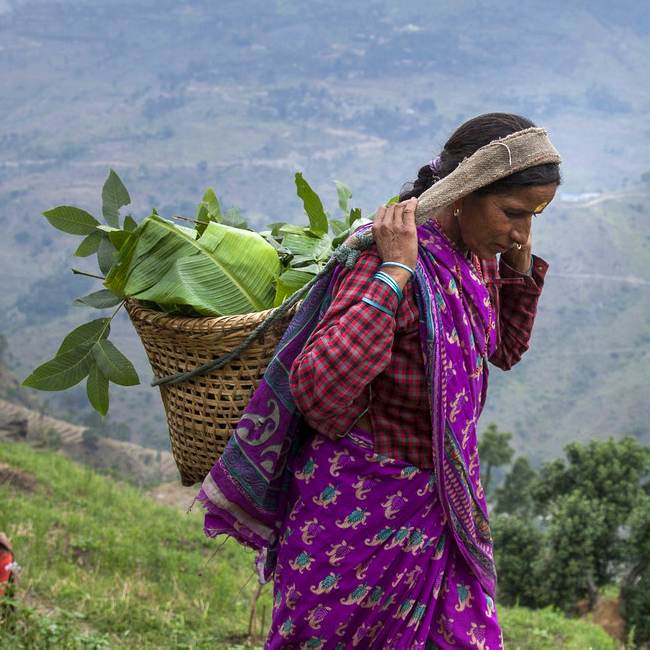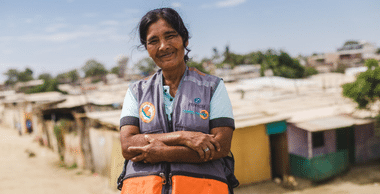
Resilience for people
Increasing climate resilience
Empowering people to predict and withstand natural hazards and move forward
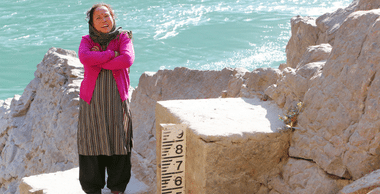
Resilience for the planet
Using nature-based solutions
To protect property, crops and possessions from natural hazards and prevent further damage
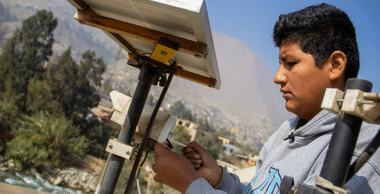
Resilience for big change
Informing global and national policies
To tackle the climate crisis and support the people most at risk
By 2025, our work with partners will have enhanced risk knowledge systems so that 4 million people living in hazard-prone, climate-vulnerable communities are better protected.
Our resilience focus
We will continue to grow our work on flood resilience, developing new work in Africa and urban settings. We will use our influence to increase support and funding for community and nature-based solutions and early action to avert multiple hazards and minimise loss and damage for climate vulnerable communities.
- Advising people on how to adapt their lives to a changing climate
- Helping communities put systems in place to predict natural hazards and prepare plans to minimise their impact.
- Promoting environmentally sound technologies for low carbon and climate resilient development.
What makes us different
- We know how to design, and get effectively delivered, early warning and climate information systems that meet the needs of communities, with a particular focus on the needs of women and other people who face specific social barriers. This helps keep them safe from floods and other extreme weather events.
- We understand the realities of climate risk for communities and solutions that work for them.
- We have seats in key international committees and advocacy networks and are adept at getting the perspectives of communities heard, influencing policy makers, and other organisations such as insurance companies, to adapt their approaches so that they help reduce and mitigate these risks.
- We use evidence to influence across multiple scales, to ensure national and global risk management systems deliver for the people who need them most.
Resilience that protects
Policy and influence
A systemic approach is critical to the success of our work. This means not working with communities in isolation, but bringing together all actors – including the private sector, and local and national governments – with a role to play in shaping the risk environment.
We embed climate change as a cross-cutting theme across our four thematic areas. This work is climate smart and is designed to equip poor people to adapt to a changing climate and cope with severe weather events, while also capturing evidence and knowledge to generate the political will necessary to deliver this at scale.
- We will put poor people central to the climate change agenda to ensure that mitigation, adaptation and loss and damage actions deliver for and do not compromise the development choices of the poorest. Only by increasing the resilience of those most at risk will the risk exposure of the whole community be reduced.
- In the countries where we are working we will explore the causal relationship between climate change and natural hazards to help people better cope with uncertainty and underlying risk.
- We will work with all stakeholders including the private sector to understand the role that markets play (both positively and negatively) in building the resilience of the poorest and most vulnerable.
- We will call on governments and other key stakeholders to integrate Disaster Risk Reduction into their policies.
- We will understand the links between smallholder farmers, climate change and opportunities to benefit smallholder farming systems that address the climate challenges making markets work for poverty reduction, food security and environmental sustainability.
- We aim to better understand climate change as a trigger for human migration. As climate stresses increase more people will choose short term temporary migration as well as permanent migration as a mitigation action.
The people who pollute the least are the most affected by climate change. We’re helping poor communities make climate resilience a way of life.
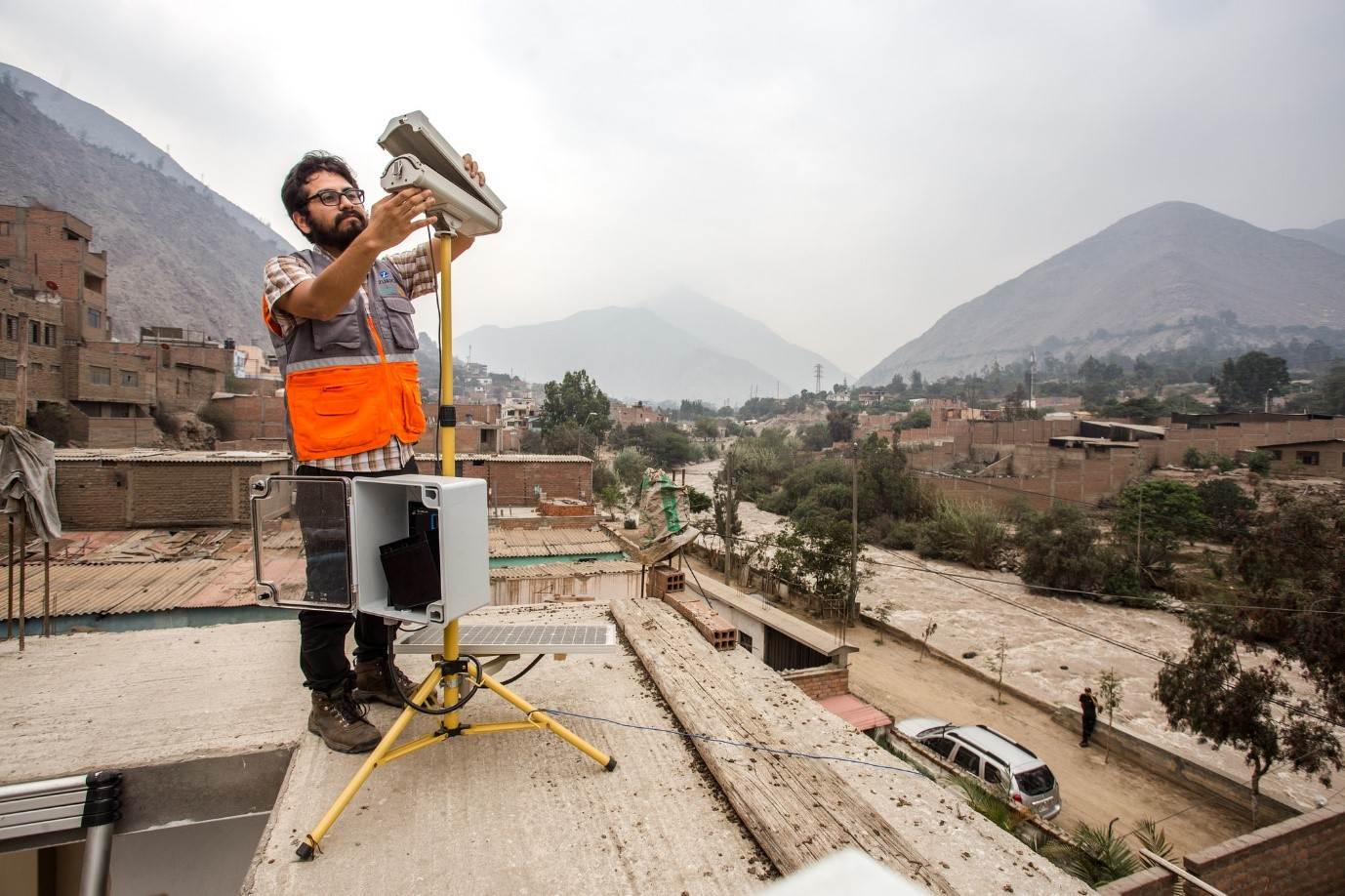
Knowledge & Expertise
Learn more from the work we're doing to make resilience a way of life, to predict disasters and minimise their impact and to promote environmentally sound technologies for low carbon and climate resilient development. Explore a sample of our reports, policy papers, technical information and publications.
View resources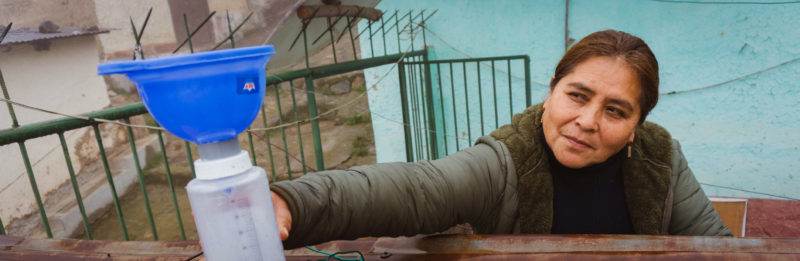
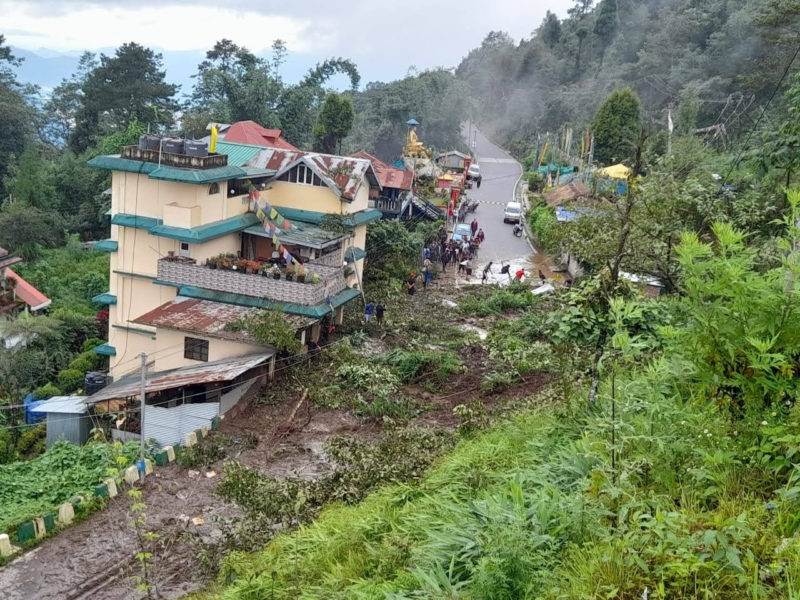
Resilience partnerships
Our impact is achieved through a unique network of local, national and international partners, government organisations and forward thinking, companies and funders. Our shared goals and combined expertise mean that together we can take on some of the world’s toughest challenges.