What is climate change adaptation and why is it important? Find out more about how people around the world are adapting to the rapidly changing climate.
What is climate change adaptation?
Climate change adaptation encompasses all human actions to adjust to current or expected climate change impacts in a rapidly warming world. This involves adjusting our economic, social, and ecological systems so that they can avoid harm and explore new opportunities that climate change creates.
Adaptation actions can vary from reforestation to building seawalls against rising sea levels to selectively breeding crops that resist drought.
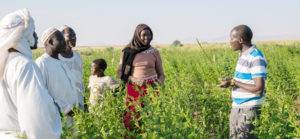
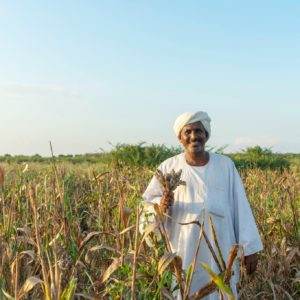
In Sudan, climate change has turned acres of farmland into desert. We’re working with farmers there to use solar-powered irrigation to turn the desert green again.
Why is climate change adaptation important?
Climate change has triggered an increase in extreme weather events such as floods and droughts. It’s also causing long-term changes to weather patterns that are destroying livelihoods.
As the effects of climate change become increasingly tangible, vulnerable and hazard-prone communities face growing, complex, and worsening challenges.
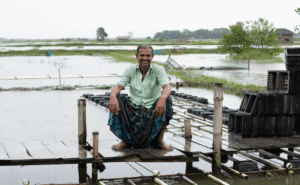
Samakant in Bangladesh saw his farmland repeatedly flooded and his livelihood destroyed. With our help, he’s discovered new ways to farm in the wetlands.
Who most needs to adapt to climate change?
Adaptation is especially critical in countries that are most vulnerable to climate change and are already feeling the impacts on a daily basis.
Poorer areas are often hardest hit. Poverty forces people into disaster-prone areas where making a living is almost impossible. And it means they’re ill-equipped to adapt to the changing climate, leaving them even more vulnerable to future disasters.
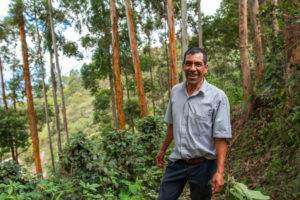
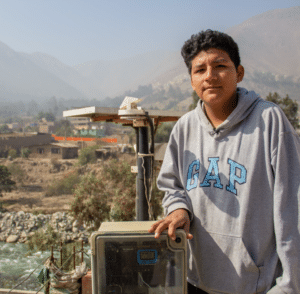
For Melanio in Peru, climate change has brought floods and landslides, making coffee farming more challenging. Now he’s learning to adapt to the new conditions.
What is Practical Action doing?
We’re helping people adapt to existing changes and prepare for future ones. We work closely with communities to develop simple, practical solutions that can help minimise the ways in which floods, droughts and extreme weather affect their lives and opportunities.
Our teams around the world are seeing with their own eyes the impact of climate change on people in poor areas. But we’re also demonstrating that ingenuity can help them adapt and thrive.
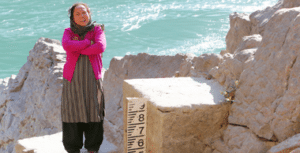
Parvati is a flood gauge reader in Nepal, where more frequent floods put lives and livelihoods at risk. With our support, she’s helping protect her community.
Discover more
Author
Demet Intepe
Researcher and policy expert in climate justice, climate change adaptation, and sustainability. Currently leading on the mainstreaming of climate change adaptation and mitigation across Practical Action’s programmatic and policy work, as well as Practical Action’s organisational commitment to sustainability.